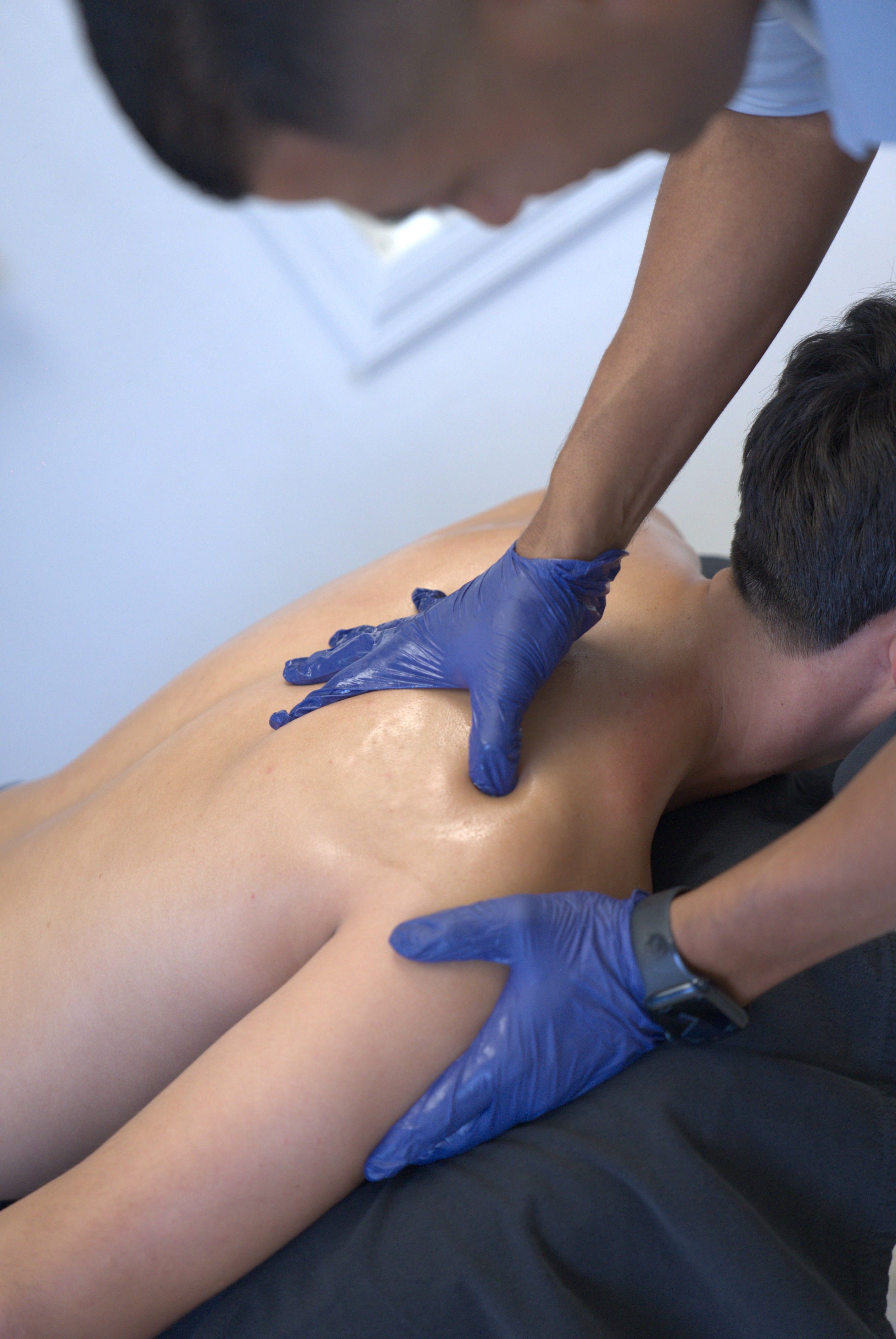
Most athletes think muscles, joints, and bones are all that matter in recovery. Meanwhile, there’s an unseen network quietly orchestrating your body — fascia. At Barrios NeuroSport, we focus on fascia because it’s often the root cause of chronic pain, stiffness, and slow healing. In this article, we’ll explain what fascia is, how fascia affects your body, and why targeting fascia is the missing piece in your recovery process.
“Think of fascia like the body's internal spiderweb.”
It:
When healthy: it’s springy and mobile
When damaged: it’s sticky, stiff, and painful
Fascial dysfunction can be caused by:
Once damaged, fascia restricts movement and sends pain signals through the nervous system—even if there’s no muscle or joint damage.
“You’ve tried massage, stretching, and rehab — but nothing sticks. That’s fascia dysfunction.”
Fascia is full of nerve endings and mechanoreceptors, which means:
That’s why fascia therapy is different from muscle therapy — it goes deeper and lasts longer.
At Barrios NeuroSport, we use a next-gen method to restore fascia health:
Manual Interstitial BioRemodeling:
This isn’t your typical massage — it’s a regenerative, cellular-level treatment.
Learn about Functional Rehab →
Fascia work isn’t just for healing — it’s a performance unlock:
With healthy fascia, athletes experience:
Our GeneFit Program and Athletic Development Program both incorporate fascia therapy for this reason


December 6, 2025
Injuries can ruin momentum, derail seasons, and shorten athletic careers. At Barrios NeuroSport, we don’t just treat injuries—we teach athletes how to prevent them. Whether you're a youth athlete, weekend warrior, or pro, these evidence-based strategies will keep you resilient, pain-free, and performing at your best.
Injuries can ruin momentum, derail seasons, and shorten athletic careers. At Barrios NeuroSport, we don’t just treat injuries—we teach athletes how to prevent them. Whether you're a youth athlete, weekend warrior, or pro, these evidence-based strategies will keep you resilient, pain-free, and performing at your best.
Whether you attend, volunteer, or share, your support helps make learning more open and exciting for everyone.