
Injuries can ruin momentum, derail seasons, and shorten athletic careers. At Barrios NeuroSport, we don’t just treat injuries—we teach athletes how to prevent them. Whether you're a youth athlete, weekend warrior, or pro, these evidence-based strategies will keep you resilient, pain-free, and performing at your best.
“Most injuries happen when athletes load poor movement patterns.”
Instead of maxing out on weight or speed, focus on:
Pro Insight:
Our Bio-Power Program builds neurologically sound patterns that reduce injury risk under load. Explore the Bio-Power Program →
Skipping rest is the fastest path to burnout and injury.
Recovery strategies we use:
See How BNI Yoga Helps Athletes Recover →
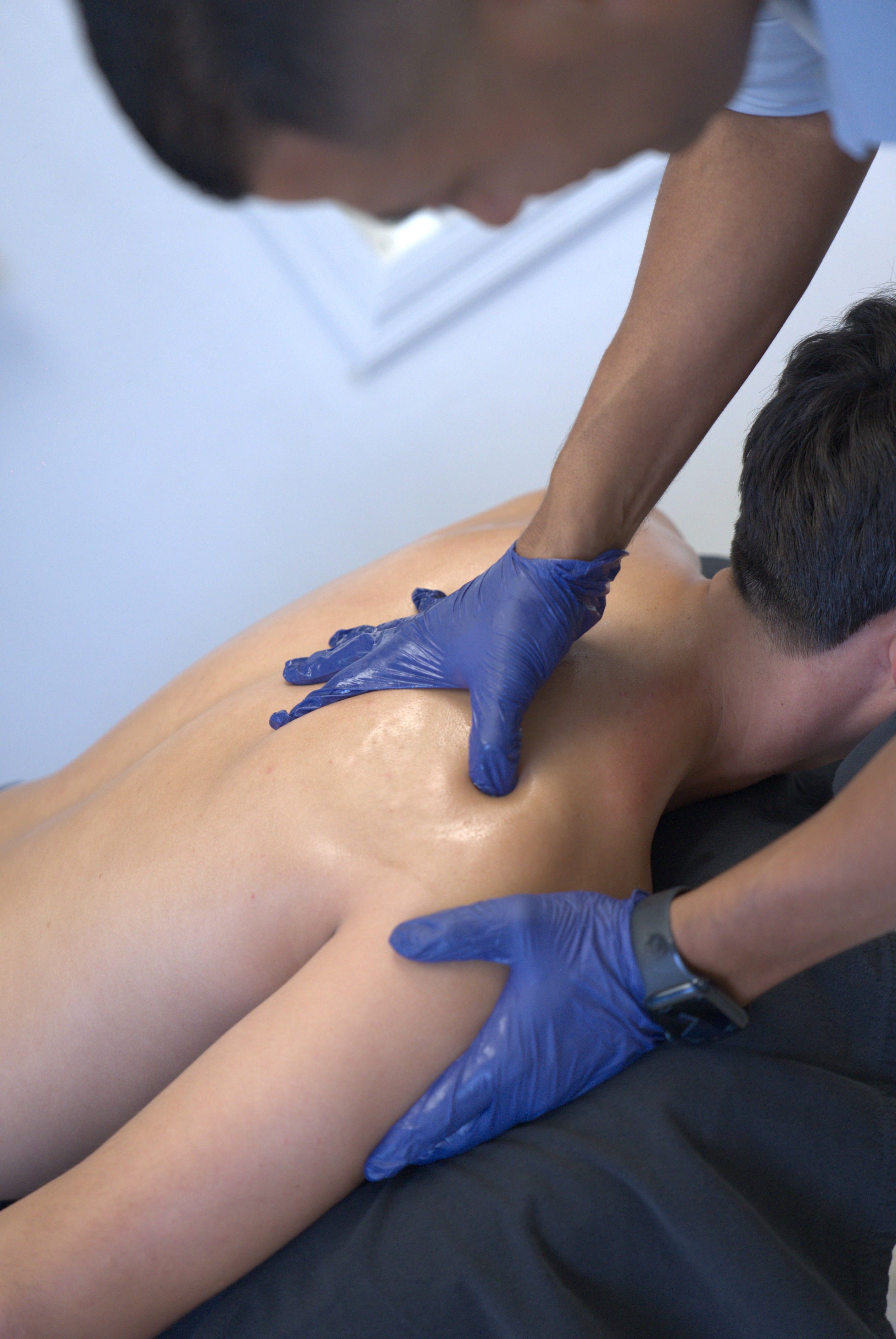
Fascia is the body’s inner web. This connective tissue matrix connects every structure of the body—when it's restricted, movement and performance are compromised.
.
We use Manual Interstitial BioRemodeling to:
A jog and a few leg swings won’t cut it.
Instead:
Discomfort is a signal, not an obstacle. When something feels off, listen to the signals your body sends. Healing starts with awareness.
At Barrios Neurosport, we use pain as data to:
Athletic Injury & Rehab Optimization Plan →
September 22, 2025
Most athletes think muscles, joints, and bones are all that matter in recovery. Meanwhile, there’s an unseen network quietly orchestrating your body — fascia. At Barrios NeuroSport, we focus on fascia because it’s often the root cause of chronic pain, stiffness, and slow healing. In this article, we’ll explain what fascia is, how fascia affects your body, and why targeting fascia is the missing piece in your recovery process.
Most athletes think muscles, joints, and bones are all that matter in recovery. Meanwhile, there’s an unseen network quietly orchestrating your body — fascia. At Barrios NeuroSport, we focus on fascia because it’s often the root cause of chronic pain, stiffness, and slow healing. In this article, we’ll explain what fascia is, how fascia affects your body, and why targeting fascia is the missing piece in your recovery process.

Whether you attend, volunteer, or share, your support helps make learning more open and exciting for everyone.